

The May 2 election is your chance to sign or refuse a long-term tax contract. If you skip it, you are likely accepting higher taxes. That is the whole argument, and it fits on a sticky note.
Why? These elections tend to be low-turnout, and the groups campaigning for bond passage reliably show up. In recent cycles, reports show voters approve a large share of bond dollars statewide.
The rest of this post is how to evaluate those propositions without becoming the person who reads municipal budgets for fun. Even libertarians have hobbies.
Texas has this familiar pattern: we complain about taxes, we complain about potholes or whatever infrastructure makes your eye twitch, and then we ignore the elections that decide both. Bond propositions are the bridge between “we need it fixed” and “why did my bill go up.” They are also one of the few moments where your consent is not theoretical. It is literally on the ballot. Not perfect consent, not pure consent, but the closest mechanism we have for direct consent on tax-backed debt. Debt that can bind you, your friends, and your family for decades.
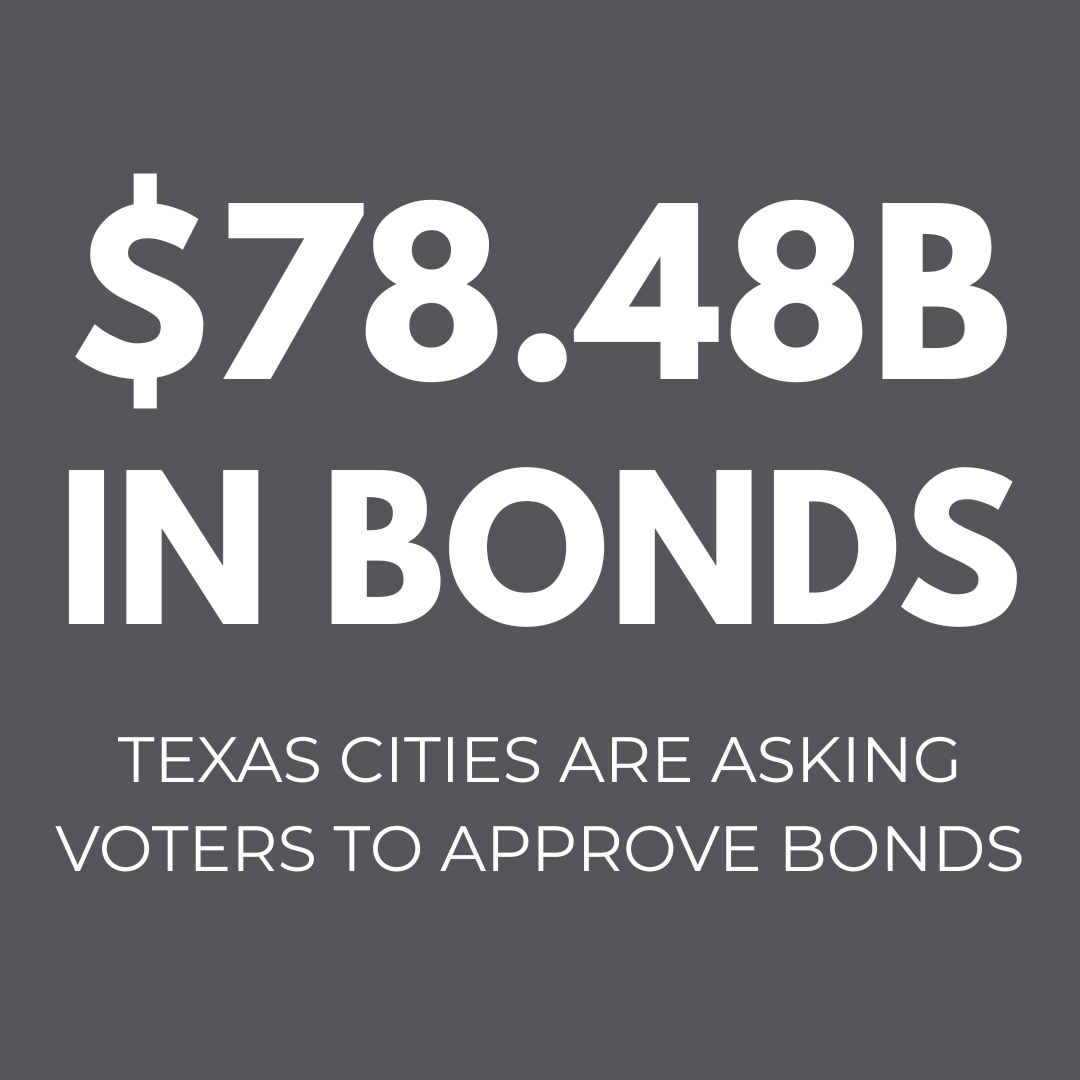
This year, that ballot moment is Saturday, May 2, 2026. Reports on the statewide landscape suggests local bond requests amount to approximately $78 billion. Not a single statewide proposal, but many local ones. A lot of long-term obligations will be decided in low-attention elections across the state.
I can already hear the libertarian shoulder angel: “Vote no on everything. Starve the beast.” I understand that instinct. But if we want to persuade, not just protest, we need to practice skepticism. Skepticism isn’t reflexive “no.” It’s informed consent.
No to blank checks. Yes only when the details are clear, the cost is spelled out, and someone is accountable.
You wouldn’t sign a loan at your kitchen table on a slogan about “our children’s future.” You’d ask hard questions. Treat your bond ballot the same way.
Here is a quick, practical way to do it:
- Scope. Is this a defined list of projects, or a broad bucket of good intentions?
- Cost and repayment. Borrowed dollars are not the same as paid dollars.
- Find the tax impact explanation. If the sponsors cannot translate the impact into plain English, that is a warning.
- Timeline and oversight. A real plan has milestones and reporting, not just confidence.
- Consider alternatives. Even if you support the goal, ask whether the amount could be smaller or the funding more targeted.
The pro-bond argument deserves to be heard. Texas is growing. Some assets last for decades and can be sensibly financed over time. Waiting can cost more. Those points are legitimate. The question is whether this specific proposition is the disciplined version of that logic, or the lazy version.